If you are researching care options for an aging parent, you have probably come across the terms “personal care” and “home care,” which are mistakenly used almost interchangeably. They sound similar, and it is easy to assume they mean the same thing. But they do not, and understanding the difference could be one of the most important decisions you make for your family.
This guide breaks down personal care vs. home care so you can move forward with confidence and choose the right level of support for your loved one.
What Is Home Care?
Home care services allow older adults to receive support while remaining in their own home. A caregiver comes to the house on a scheduled basis to help with tasks like:
- Bathing and dressing
- Meal preparation and light housekeeping
- Medication reminders
- Companionship and transportation
Home care is a flexible option, and for seniors who are relatively independent but need a little extra help, it can be a good fit. However, it is worth knowing that home care is not the same as home health services. Home health services involve medically supervised care, such as wound care, physical therapy, or skilled nursing visits, ordered by a physician after a hospitalization or diagnosis. If your loved one’s doctor has prescribed ongoing medical support at home, that falls under home health services, a separate, more clinical category.
For many families, the lines between these two feel blurry. Understanding which one your parent actually needs is an important starting point.
What Is Personal Care?
Personal care is a residential option. Rather than a caregiver visiting the home, your loved one moves into a community where support is available around the clock. Staff is present 24 hours a day to assist with daily living activities, meals, medication reminders, transportation, and enrichment programs.
Personal care is not skilled nursing and is not an assisted living facility. It sits between independent senior living and nursing home care, designed for older adults who need regular support with daily activities but do not require constant medical intervention.
For families who worry about what happens between caregiver visits, or who have noticed that their parent is becoming isolated or struggling to manage safely at home, personal care often provides a level of consistent support that in-home options simply cannot match.
Key Differences to Consider
When you are weighing personal care vs. home care for your family, a few key areas will help guide your thinking.
Level of supervision. Home care provides scheduled, part-time support. Personal care provides around-the-clock staffing every day of the year.
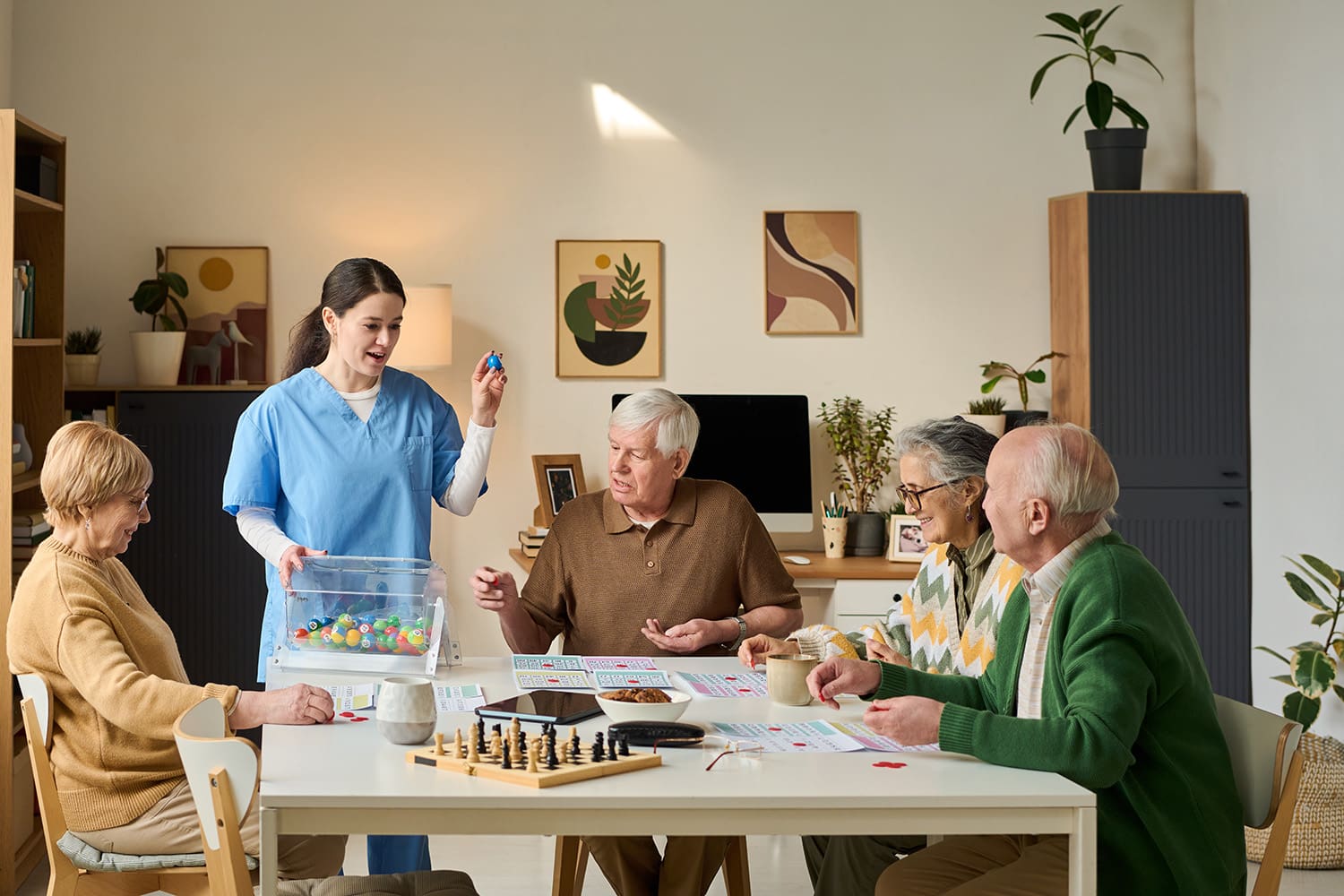
Social environment. Home care keeps your loved one in a familiar setting, but it can also reinforce isolation. Personal care communities offer daily activities, shared meals, and genuine human connection.
Consistency of care. With home care, staff can change frequently or call out unexpectedly. A personal care community like Tree of Life Personal & Memory Care maintains a consistent, trained staff so your loved one can build real relationships with the people caring for them.
Cost and predictability. Home care costs can be difficult to estimate because they depend on the number of hours, services, and frequency. A personal care home with all-inclusive pricing gives your family a clear, predictable monthly cost without surprise fees.
Eligibility Requirements and Funding Options
Before choosing a path, it helps to understand the eligibility requirements for each option. Home care services are generally available to anyone, though coverage depends on the payer. Personal care homes have their own admission criteria based on level of need and a functional assessment.
When it comes to paying for care, your family may have more options than you realize:
- Medicare may cover short-term home health services under specific conditions.
- Medicaid can help fund some home and community-based services depending on your state.
- Long-term care insurance policies often cover both home care and personal care community costs, so review your loved one’s policy carefully.
It is worth speaking with a care advisor or financial planner who works with older adults to map out the right approach for your situation.
When Personal Care Makes More Sense
Home care is a meaningful option for families in the early stages of planning. But there are situations where a residential care community becomes the safer and more sustainable choice.
You may want to consider personal care when:
- Your loved one is no longer safe at home alone between visits
- You are managing multiple caregivers and feeling stretched thin
- Your parent is becoming withdrawn or isolated
- A health event has made round-the-clock availability a real need
At Tree of Life Personal & Memory Care, we help families think through exactly these moments. Our team works with you to understand your loved one’s needs and build a thoughtful care plan that puts their dignity and comfort first. We also offer secured memory care for residents who need additional support and a safe, structured environment.
Ready to See It for Yourself?
The best way to find the right fit is to see it in person. We would love to meet you, answer your questions, and show you what compassionate care looks like up close. Contact us today to schedule a private visit. We are here to help your family move forward with confidence.